
Essential Ghost Crystal 101: Types, Colors & Spotting Fakes
Ghost Crystal is a type of quartz that forms with mineral inclusions trapped inside as the crystal grows. These inclusions create those layered landscapes, pyramid shapes, and starry patterns you often see in high-quality specimens. If you’ve been comparing natural pieces with treated or synthetic ones, this is usually where things start to get interesting.
Most of the time, this stone refers to clear or smoky quartz carrying minerals like Chlorite, Hematite, or Muscovite. The final look depends entirely on how those inclusions formed during growth. No two pieces ever come out the same, which is exactly why collectors stay hooked on this quartz variety.
Pyramid Ghost Crystal: Rare Structural Formation
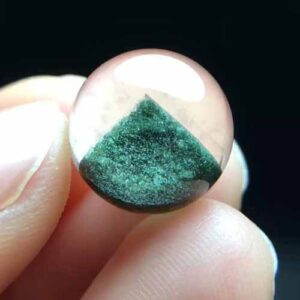
Pyramid Ghost Crystal is one of the more eye-catching formations, mainly because the structure feels intentional, almost architectural. Inside the quartz, you’ll see triangular or pyramid-like shapes formed by inclusion layering.
- Clear triangular geometry inside the crystal
- Stacked internal layers that build depth
- Defined apex instead of blurred clusters
Not every triangle you see qualifies as a real pyramid formation. The structure needs balance and clarity. The more it looks like a naturally formed geometric pyramid, the rarer this variety becomes.
Half-and-Half Ghost Crystal (Bonsai Formation)
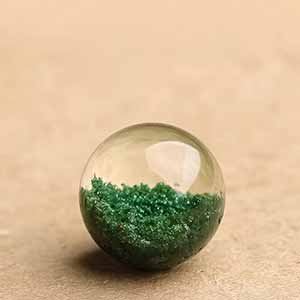
Half-and-Half Ghost Crystal has a very straightforward appeal. One side is filled with inclusions, the other stays clean and transparent, almost like the crystal was split in two different worlds.
Good pieces usually show a strong contrast without any messy blending between the two zones. That clean division is what collectors look for.
- Clear separation between inclusion and clear quartz
- Balanced two-part visual structure
- Minimal clouding in the transparent section
This is often the first type that catches people’s attention because it’s so easy to read visually, even at a glance.
Layered Ghost Crystal (Stratified Formation)
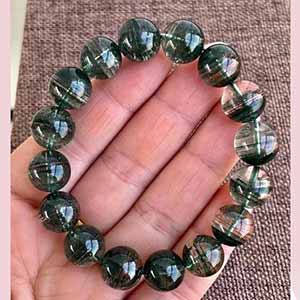
Layered Ghost Crystal forms slowly over time as minerals deposit in stages. The result is a stacked internal pattern that looks almost like geological history frozen inside quartz.
Each layer represents a different growth phase, and you can actually “read” the formation if the specimen is clean enough.
- Distinct, separated internal layers
- Strong sense of depth and structure
- More defined layering usually means higher collectability
This style tends to attract collectors who prefer structure and order rather than scattered patterns.
Speckled Ghost Crystal (Starry Inclusion Pattern)
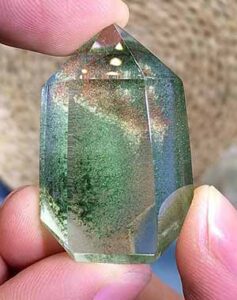
Speckled Ghost Crystal feels completely different. Instead of structure, you get fine mineral particles spread throughout the quartz, like a quiet starry sky.
The best examples don’t feel crowded or patchy. Everything is evenly spread, with no heavy clustering in one area.
- Fine, star-like inclusions throughout the crystal
- Even, balanced distribution
- No obvious clumps or dense patches
Some pieces don’t fit neatly into any category. They’re still natural, just less visually structured, and usually sit lower in value.
Ghost Crystal Color Types and Mineral Inclusions
The color you see in these crystals always comes from inclusions, not the quartz itself. Different minerals create completely different moods and pricing levels.
For reference, mineral classification databases like Mindat.org document these inclusions as naturally occurring formations inside quartz systems.
Green Ghost Crystal (Chlorite Inclusions)
Green Ghost Crystal is the most common type you’ll come across. The green tones come from Chlorite, ranging from soft light green to deep forest shades.
- Darker green usually means higher value
- Even distribution improves overall quality
- Most widely available in the market
Red Ghost Crystal (Hematite Inclusions)
Red Ghost Crystal forms from Hematite or iron-rich minerals, creating shades from orange-red to deep red.
- Saturated red tones are preferred
- Balanced distribution increases value
- Generally less common than green varieties
White Ghost Crystal (Snow Type / Muscovite)
White Ghost Crystal carries Muscovite inclusions that look like floating snowflakes inside the quartz.
- Soft white, snow-like appearance
- Light and delicate internal texture
- Often called Snow Ghost Crystal in the trade
Multi-Color Ghost Crystal (Rainbow Type)
Multi-Color Ghost Crystal forms when more than one mineral type develops inside the same crystal. You might see green mixed with red, or yellow with green in a single specimen.
- Multiple inclusion colors in one crystal
- Rare formation conditions
- Higher difficulty in natural formation
Ghost Crystal Quality Grading System
When people evaluate this stone, they usually focus on three things. It’s not complicated, but each factor makes a big difference in value.
Clarity of the Quartz Body
The clearer the quartz, the better the grade. A bit of natural haze is fine, but heavy clouding usually takes away from the visual impact.
Inclusion Structure and Definition
This is where things get interesting. Well-formed patterns always stand out more.
- Sharp pyramids are considered higher quality
- Clean Half-and-Half separation is preferred
- Distinct layering adds value and depth
Color Intensity
Strong, saturated color is generally more desirable, no matter which mineral is involved. Faded tones tend to feel less premium.
How to Spot Fake Ghost Crystal
Once you start looking closely, you’ll notice not everything labeled Ghost Crystal is natural. The market includes dyed, assembled, and even laser-altered pieces designed to imitate real formations.
Dyed Quartz
Dyed pieces are usually easy to recognize once you know what to look for. The color doesn’t behave like it should inside natural inclusions.
- Overly bright or unnatural tones
- Color concentrated in cracks
- Surface-level appearance instead of internal flow
Assembled (Spliced) Ghost Crystal
Some Half-and-Half style pieces are actually assembled from multiple parts to create a perfect-looking structure.
- Too uniform across multiple beads
- Identical internal patterns
- Suspiciously low price for high clarity
Artificial Inclusion (“Popcorn” Effect)
This method creates artificial internal textures that imitate natural growth patterns, but the feel is usually off.
- Dark buildup along fracture lines
- Overly sharp contrast in color
- Unnatural, forced appearance
Laser Engraving (Internal) Ghost Crystal
Laser Engraving (Internal) is used to carve pyramid-like or snow-like patterns inside low-grade quartz. It can look impressive at first glance, but the structure often feels too clean.
- Overly precise geometric shapes
- Hard, mechanical-looking edges
- Lack of soft, foggy transitions
Natural crystals are never perfect. When a specimen looks overly precise, it deserves closer inspection.
Final Advice on Choosing Ghost Crystal
Buying this stone is really about understanding natural formation rather than chasing perfection. The best pieces always have small imperfections—that’s actually a good sign.
- Don’t chase unrealistically cheap deals
- Be cautious with overly perfect symmetry
- Buy from sources you actually trust
Once you understand how inclusions form and how structure affects value, it becomes much easier to tell natural specimens apart from treated or synthetic material.
Explore more related articles on crystal collecting to deepen your knowledge.